Which questions should I ask?
The ones a customer would type, in their words. Start with the plain recommendation: who is a good roofer in Halifax, best accountant near Sowerby Bridge, commercial flooring contractor in West Yorkshire. Add the specific need that brings your best work: EV charger installation Halifax, female gas engineer Huddersfield, brickwork subcontractor for housebuilders. Then ask two or three questions that describe a situation without naming a trade, such as my boiler is losing pressure, who should I call in Halifax, because that is how people actually talk to an assistant.
Eight to twelve questions is plenty. Keep the list, because you will run it again.
Which platforms should I check?
Google first, then ChatGPT, then the rest. Search your questions on Google and note whether an AI Overview appears and who it names, then try the same questions in AI Mode. Ask ChatGPT with web search switched on. Then Gemini, Perplexity and Copilot, which between them cover most of what Halifax customers use. Each one will answer differently, and that difference is part of what you are learning: a business named by Google and ignored by ChatGPT usually has a strong Maps listing and a weak website, and the reverse points the other way.
How do I stop the results flattering me?
Use a fresh session and switch off memory. Log out or open a private window, turn off memory in ChatGPT and personalisation in Google, and ask the customer questions before you ever ask about your business by name, or the assistant will helpfully include you next time. Ask each question once, exactly as written, and take the first answer. Repeat the whole set on a different day before you draw a conclusion, because a generated answer varies, and one good day is easy to mistake for a result.
What should I write down?
Four things for every question on every platform: whether you were named, who was named, the reason the assistant gave, and which sources it cited or linked. The reasons are the useful part, because they tell you what evidence the rivals have that you do not: forty reviews, a trade body listing, a page about the exact service. The sources tell you where the assistant is looking, which is where your details need to be right. A spreadsheet with those four columns is the whole system, and a month later you run it again and compare.
What if the assistant gets my business wrong?
Find the source it cited and correct it there first. Wrong towns, dead phone numbers and services you stopped offering years ago usually trace back to an old directory listing or a stale Google Business Profile, and the assistant is only repeating what it read. Fix the source, then make sure your own site states the correct fact in a plain sentence, because a model checking one against the other will side with the majority. Errors of that kind are the fastest wins in the whole process, and they often clear within weeks.
What do I do with the results?
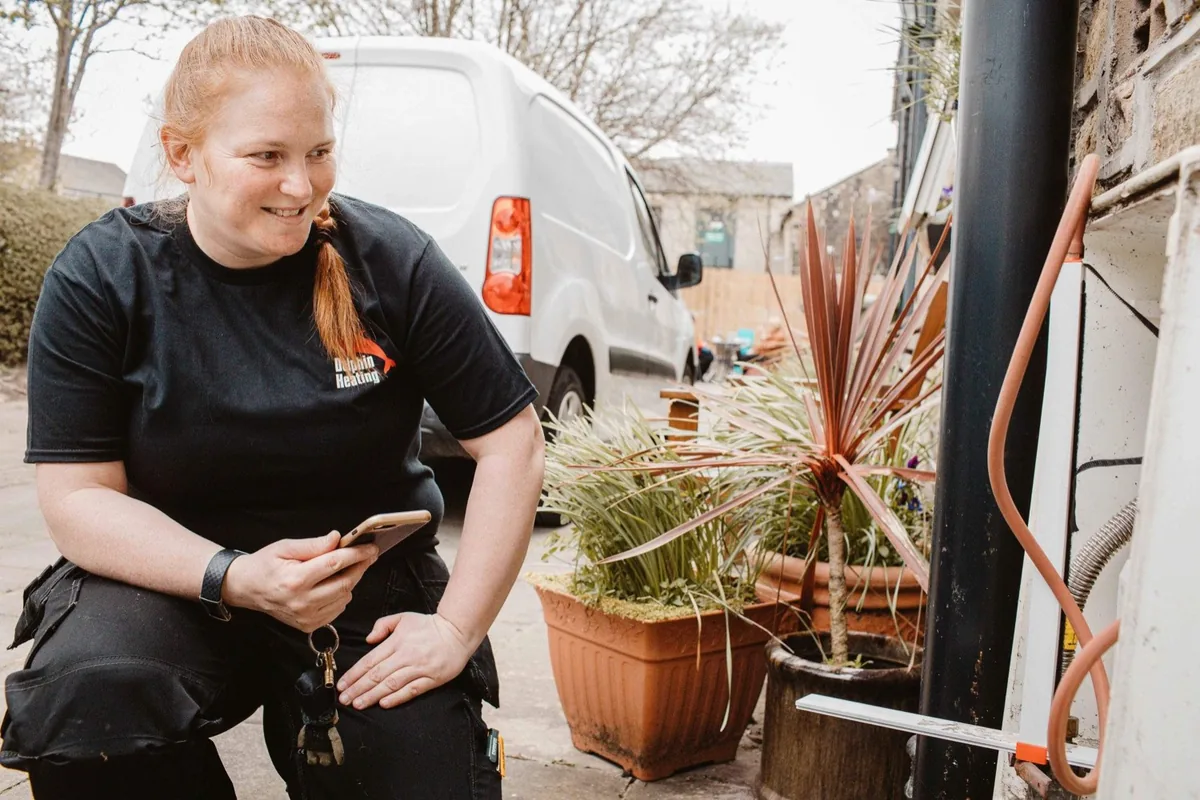
Close the biggest gap first. If a competitor is named for a service you do better, look at what the assistant said about them and build the same evidence: the page, the reviews, the photographed jobs. Dolphin Heating is named in the AI answer for female gas engineer Huddersfield because the site says exactly who Fay is and what she does, and that is the standard to aim for on every service you want to be recommended for. When the list is longer than you want to handle, send it to us with your website address and we will tell you what to tackle first.